
Storage tank vapour control
Internal Floating Roofs (IFR) Engineered for Vapour Performance
Assentech internal floating roof (IFR) systems use full-contact or skin-and-pontoon construction to reduce vapour space, control emission pathways and support reliable storage-tank operation.
- Full-contact and pontoon designs
- Engineered leak-path control
- Installation and lifecycle support
Start with the function
What is an internal floating roof actually supposed to accomplish?
An IFR is not simply a deck installed to satisfy a specification. Its purpose is to minimise the pathways by which hydrocarbon vapour can escape from the liquid surface. The best design decisions begin with that function.
Reduce exposed liquid
The floating deck moves the vapour-control boundary down from the fixed roof.
Follow product level
The IFR rises and falls with normal filling and withdrawal cycles.
Control leak paths
Rim seals, seams, fittings and penetrations are engineered as one system.
Protect performance
Accurate installation and planned inspection help maintain integrity over time.
The engineering question
Where can vapour escape from an internal floating roof?
A premium rim seal alone does not create a premium IFR. Total vapour performance depends on the combined integrity of the complete deck.
- Rim seal
- Deck seams
- Support legs
- Gauge poles
- Manways
- Vacuum breakers
- Columns
- Other fittings
Choose by operating performance
Full-contact and skin-and-pontoon internal floating roofs
Each tank is different. Product, diameter, internals, shell condition, operating cycle and maintenance strategy all influence the right roof and seal configuration.
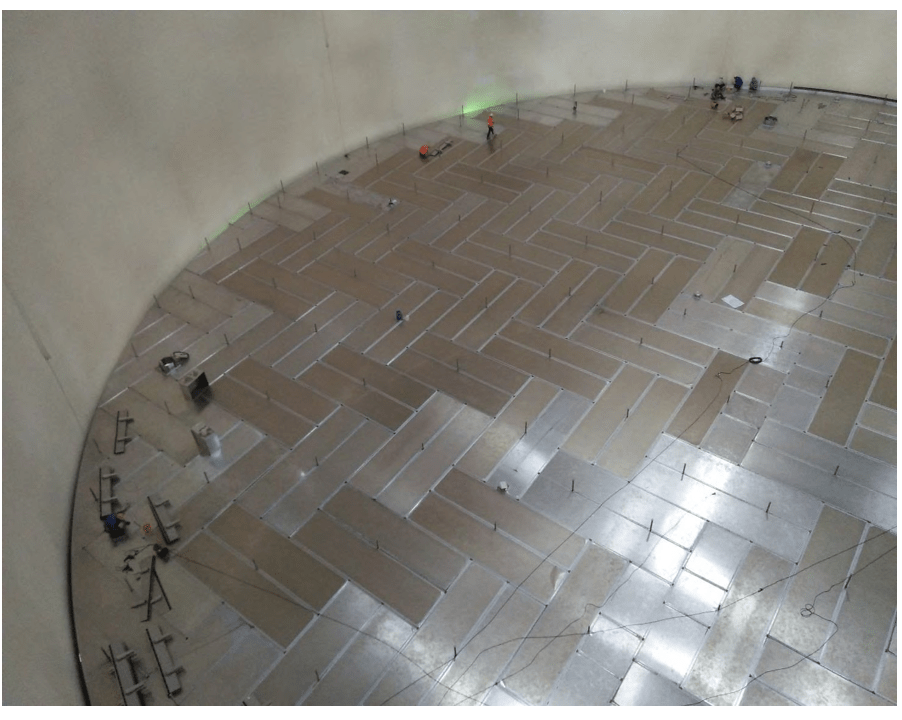 Full-contact IFR
Full-contact panel construction
Designed so the deck is substantially in contact with the stored liquid, reducing the vapour space beneath the roof and concentrating attention on perimeter seals, seams and penetrations.
- High surface coverage
- Modular panel layout
- Engineered seam and fitting strategy
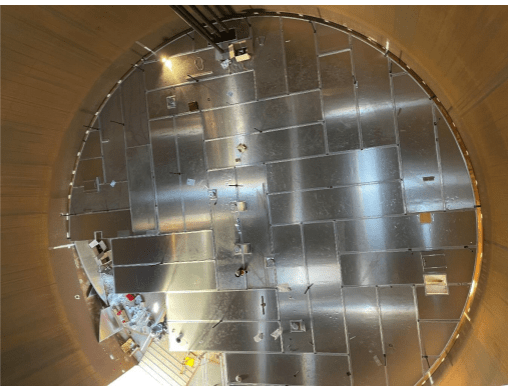 Pontoon IFR
Heavy-duty skin-and-pontoon construction
A robust, maintainable deck supported by pontoons. The design is configured around the tank geometry, expected loads, fittings and service conditions.
- Replaceable modular components
- Engineered structural layout
- Shoe or wiper seal options
Complete tank vapour control may also involve correctly selected and maintained pressure vacuum relief valves and conservation vents. Assentech can consider the IFR and tank venting arrangement as a connected system.
A deck is only as vapour-tight as its details
Internal floating roof seams, fittings and installation quality
Two roofs made from similar materials can perform very differently. Total seam length, gasket compression, bolt spacing, thermal movement, local distortion and installation tolerances all influence the integrity of the completed deck.
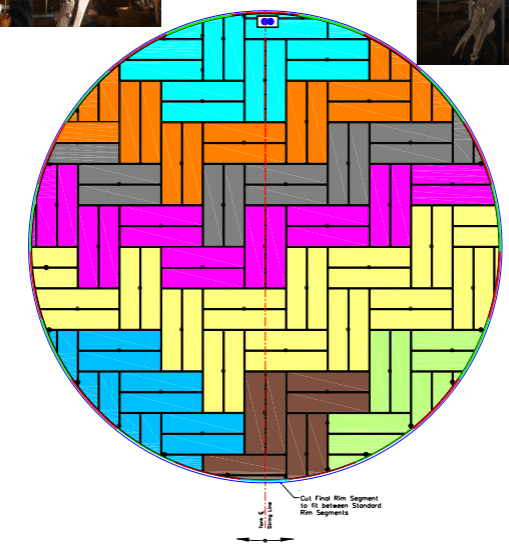
A practical evaluation framework
The IFR vapour-tightness hierarchy
Evaluate the entire roof in layers. A strong seal cannot compensate for avoidable leakage paths elsewhere in the structure.
Product coverage
How much of the liquid surface is effectively isolated?
Deck integrity
How vapour-tight is the deck structure itself?
Seam integrity
How many seams exist, and how are they sealed?
Penetration integrity
How are legs, columns, gauge poles and fittings sealed?
Peripheral seal
Does the rim seal maintain contact as the tank varies?
Durability
Will the same performance remain through filling cycles and maintenance?
Design for the real operating life
Common internal floating roof (IFR) failure mechanisms
Defects can turn into leakage paths, mechanical damage and unplanned tank outages. These examples are presented by failure type rather than attributed to a manufacturer.
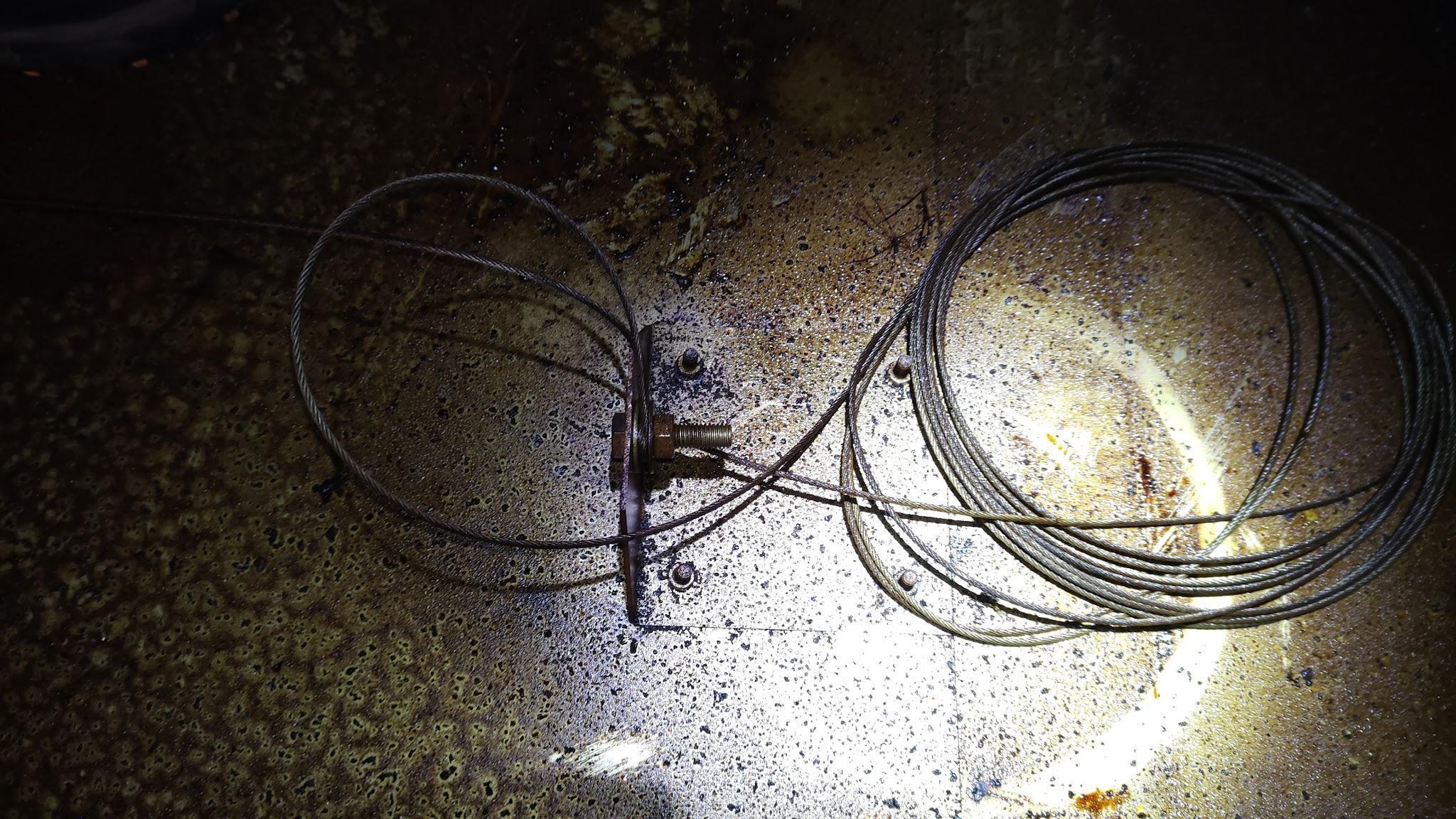
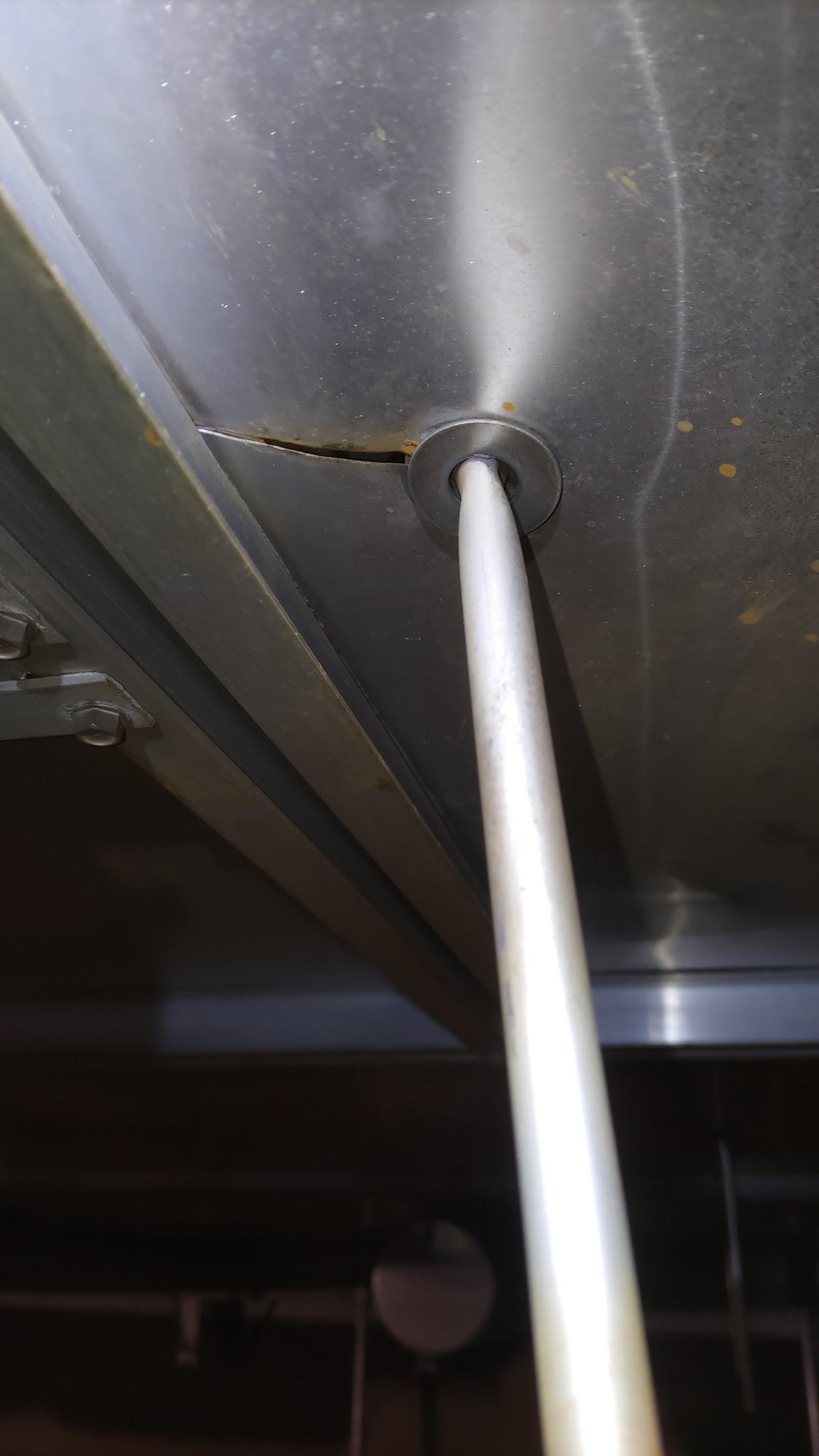
Galvanic corrosion
Earth cables or loose dissimilar-metal items resting on aluminium deck sheets can create local corrosion and eventual perforation risk.
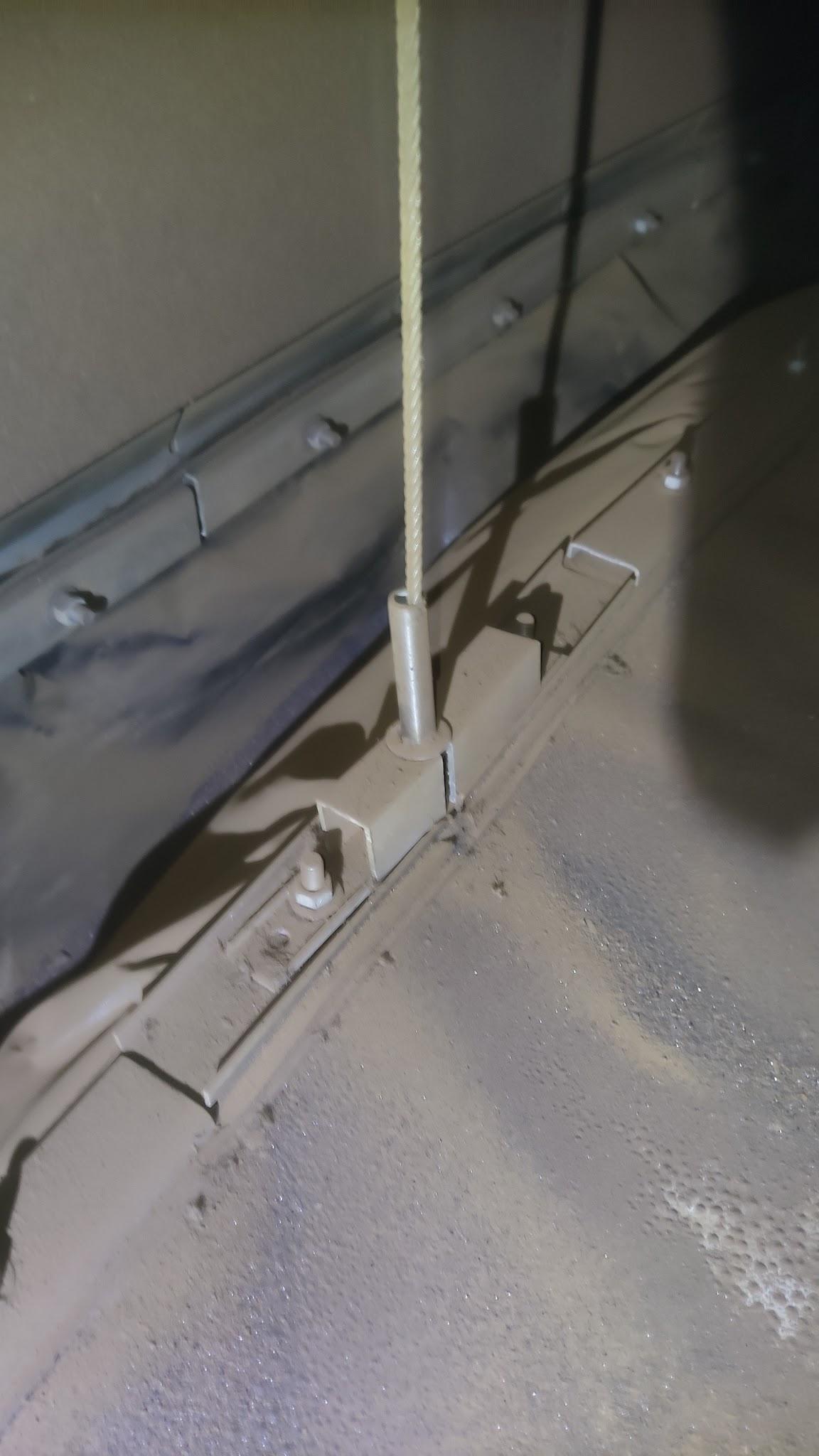
Deck-sheet damage
Impact, poor support, excessive inlet velocity or misaligned gauging equipment can puncture, crack or distort deck sheeting.
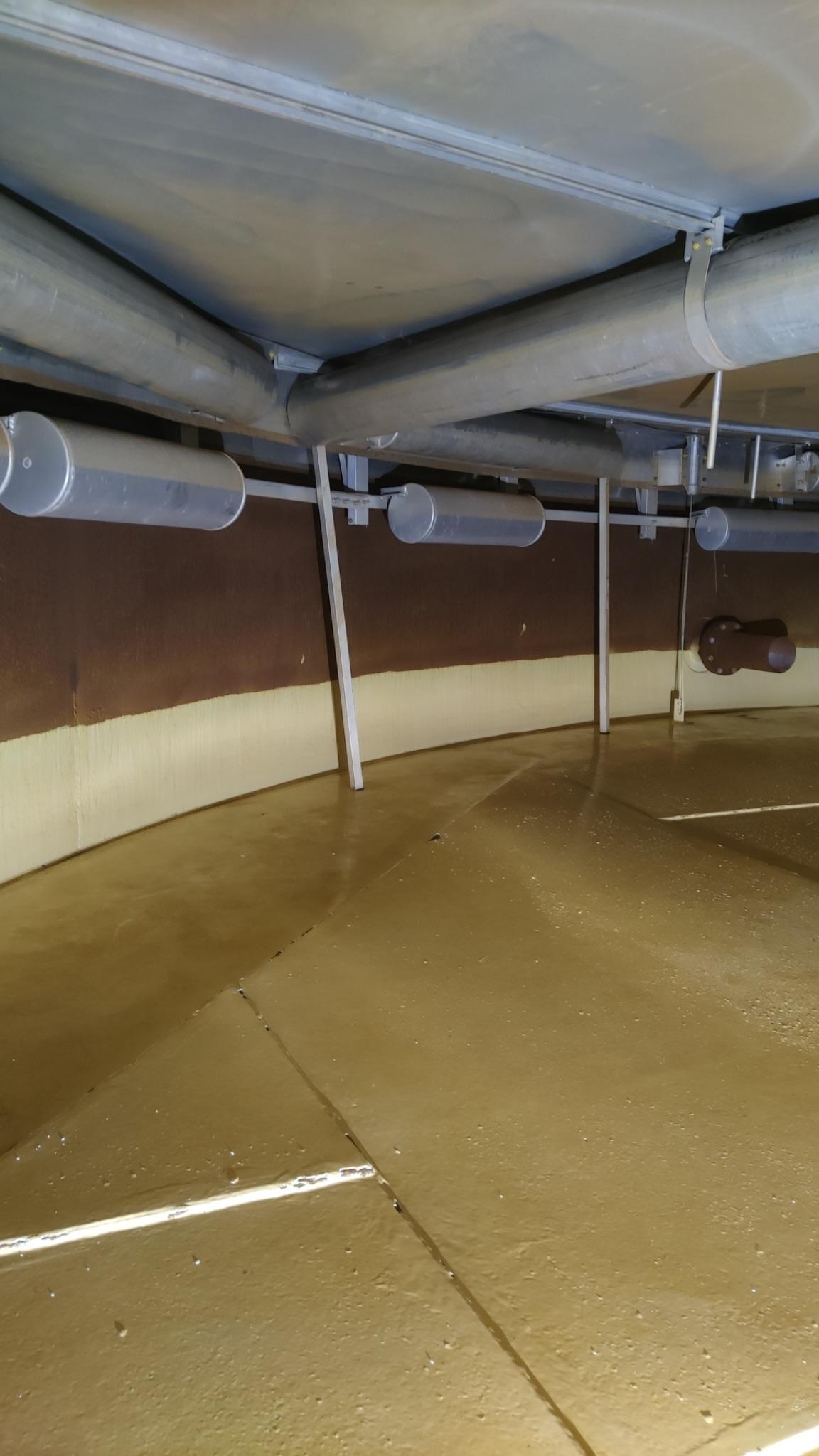
Poor installation
Missing fasteners, poor levelling and misaligned or incorrectly tensioned cables can restrict movement and overload the structure.
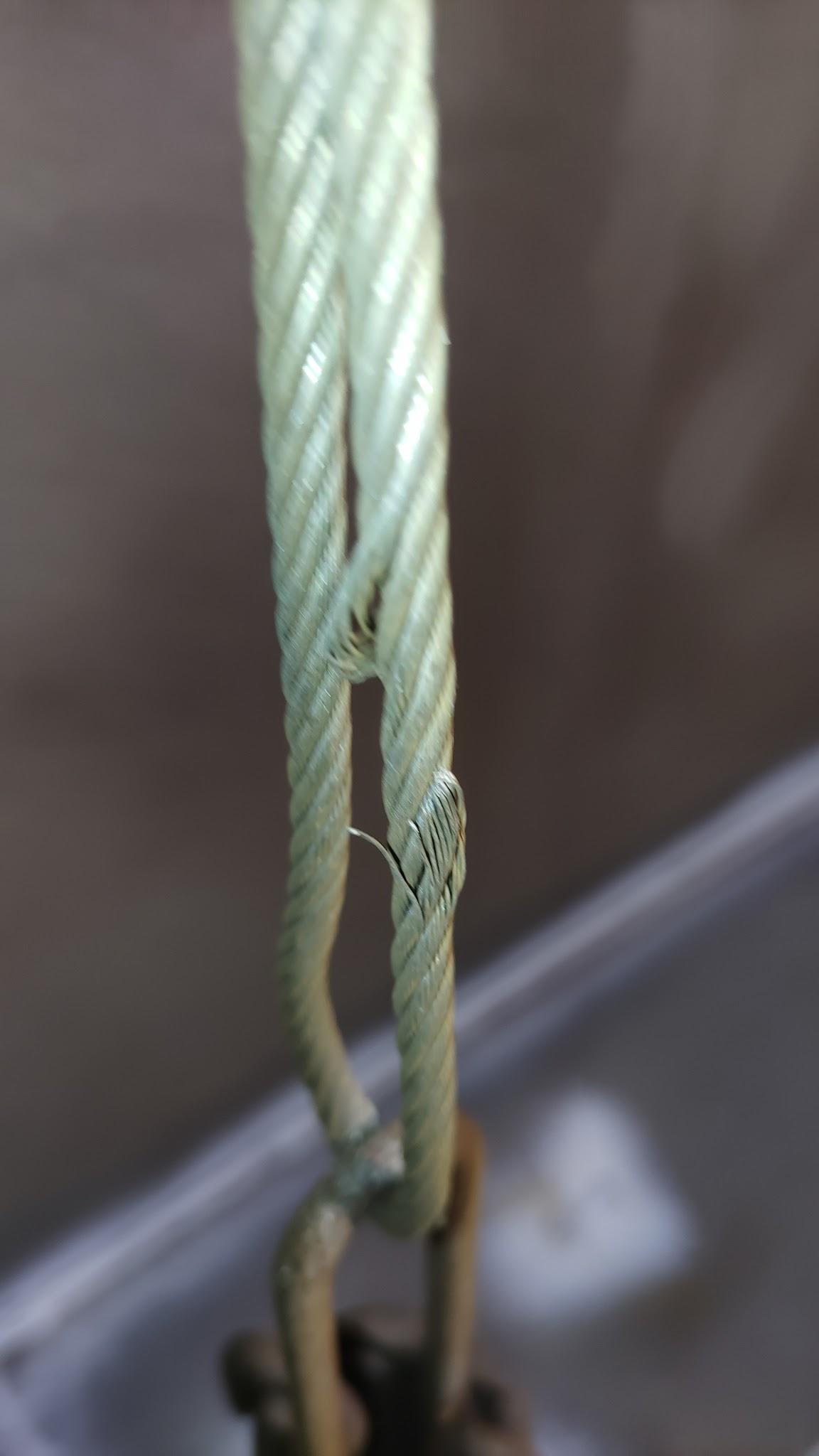
Poor design
Weak rim details, unsuitable materials and avoidable site modifications can create persistent leak paths and maintenance problems.
Structural failure
Cracked attachments, loose framework and damaged restraint components can lead to jamming, local collapse or loss of deck integrity.
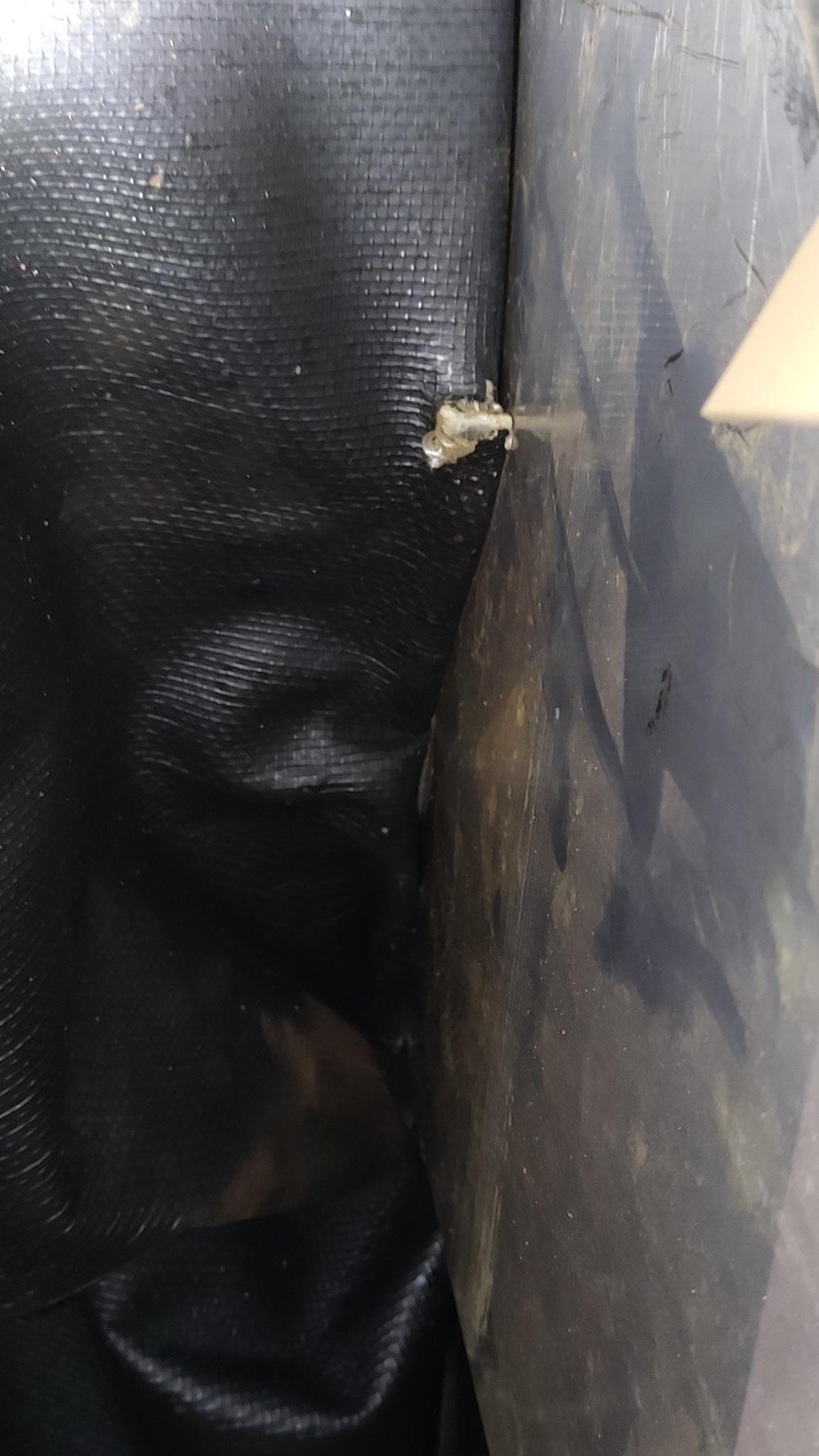
Seal tears
Wear, failed joints and snagging at shoe hinges or springs can damage seals and reopen vapour paths.
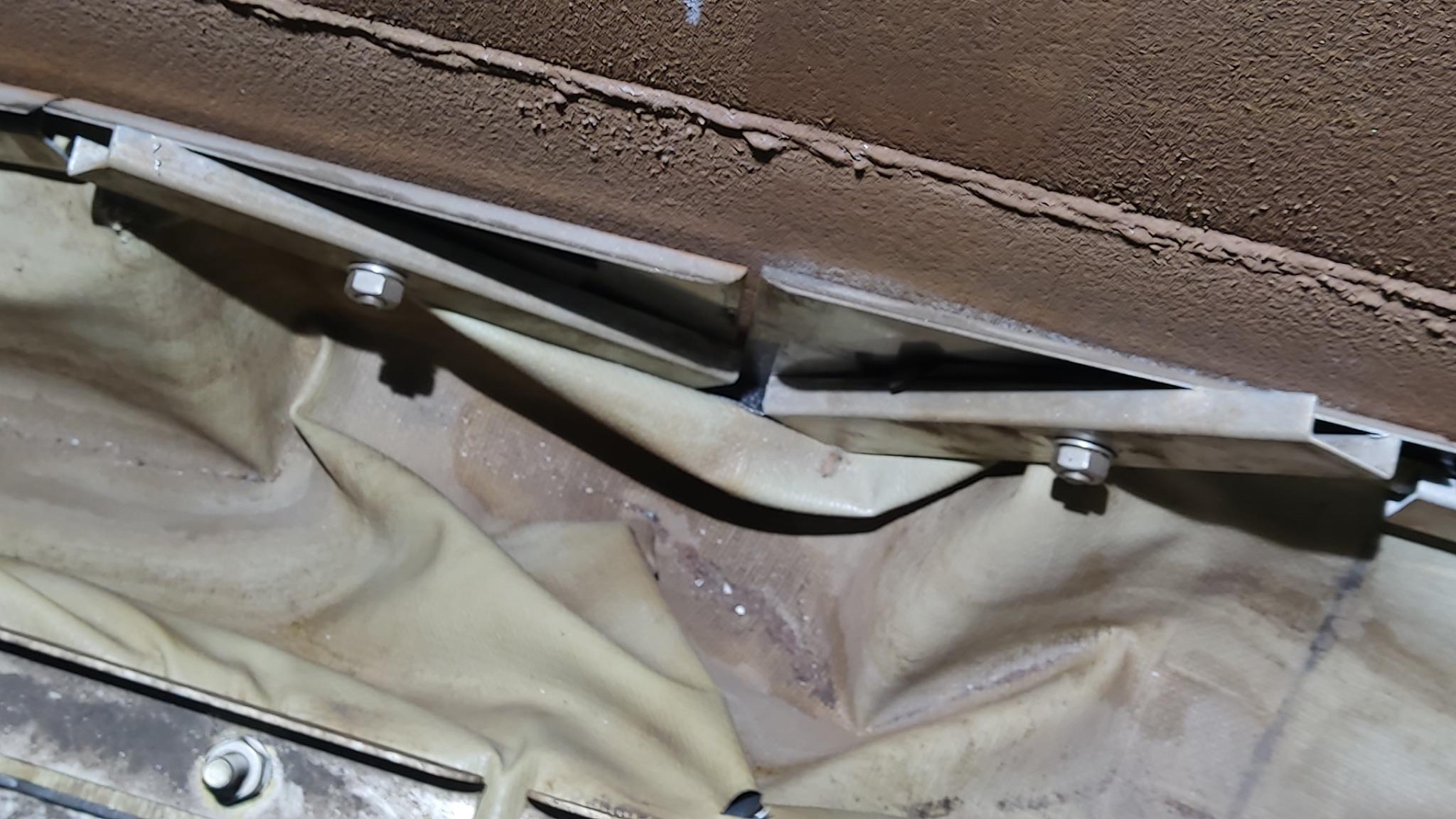
Shoe-plate issues
Incorrect overlap, loose clamps, weak contact or clashes with tank fittings can prevent the shoe system following the shell safely.
Think beyond day one
Protect IFR performance through the asset lifecycle
A good internal floating roof decision considers performance at year ten as well as handover. Assentech supports condition assessment, planned intervention and wider emissions-control work.
Internal floating roof and IFR FAQs
Internal floating roof questions engineers and operators ask
Need advice for a specific tank, product or duty? Share the tank data and our team can help define the right questions before the design is selected.
Ask an IFR specialistWhat is an internal floating roof?
An internal floating roof (IFR) is a deck installed inside a fixed-roof storage tank. It rises and falls with the stored liquid, reducing the exposed liquid surface and the vapour space immediately above it.
What is the difference between full-contact and pontoon IFRs?
A full-contact IFR is designed so the deck is substantially in contact with the liquid. A skin-and-pontoon or non-contact IFR is supported above the liquid by pontoons, leaving a vapour space beneath portions of the deck. The right design depends on the tank, product, operating duty and project priorities.
Where can vapour escape after an IFR is installed?
Potential paths include the rim seal, deck seams, support legs, gauge poles, columns, sample wells, manways, vacuum breakers and other penetrations. Effective design treats the IFR as a complete vapour-control system rather than a single component.
Why does installation quality matter?
An accurately designed roof can underperform if joints, seals, fittings or support points are misaligned or incorrectly assembled. Controlled installation, dimensional checks and clear handover evidence help protect both mechanical integrity and vapour performance.
Can Assentech support existing IFRs?
Yes. Assentech can support inspection, condition assessment, maintenance planning and engineered improvements for storage-tank vapour-control systems.
From specification to long-term performance
Discuss your internal floating roof (IFR) requirements
Send the tank diameter, product, operating range, drawings and project stage. We’ll help you focus the design discussion on the vapour-control outcome that matters.