Breather Valve Service, Inspection and Testing FAQs
Here at Assentech Sales Limited, we understand that you may have queries about our products, services, operations, and more. In response, we’ve compiled a selection of the most commonly asked questions to provide immediate assistance. These FAQs cover a wide range of topics and provide comprehensive answers to support your interactions with us. If you can’t find the answer to your specific question, don’t hesitate to contact our customer service team, who will be delighted to assist you further.
A breather valve maintenance contract provides more than a one-off repair. It gives facilities a structured, evidence-based approach to managing critical tank protection equipment over an agreed term.
Breather valves protect storage tanks from excessive pressure and vacuum. If they are leaking, incorrectly set, poorly maintained or no longer performing as intended, the consequences can include increased emissions, product loss, tank damage, odour complaints, safety risks, compliance concerns and unplanned downtime.
Assentech supports facilities through planned inspection, servicing, API 2000 testing, leak rate measurement, performance review and maintenance planning. This helps sites move away from reactive maintenance and towards defensible asset management.
Assentech operates under ISO 9001, ISO 45001 and ISO 14001 management systems, certified by a UKAS-accredited certification body. Assentech also has representation on two international standards committees and provides technical advice to senior regulatory and industry authorities.
| Benefit | Why It Matters |
|---|---|
| Evidence to Regulators | Inspection reports, API 2000 test data, leak rate results and service records help demonstrate practical steps taken to maintain protection, reduce emissions and manage risk. |
| Budget Forecasting | Planned maintenance helps identify likely service costs, soft goods, spares, replacement valves and swap-in units before urgent action is required. |
| Securing Supplier Support | A contract helps secure competent support, planned engineering time, access to replacement parts and continuity of service. |
| Continuity of Equipment Knowledge | Repeated visits build knowledge of valve history, media behaviour, common failure modes, site constraints and critical assets. |
| Scheduling Support | Assentech can help schedule inspections and servicing around risk, downtime, tank availability, permit requirements, spares and previous test outcomes. |
| Operational Continuity | The contract supports planning for spares, soft goods kits, replacement valves and tested swap-in units where valve loss could affect tank availability or production. |
| Defensible Improvement | Trend data helps show whether performance is improving after servicing and whether service frequencies remain suitable. |
| Reduced Reactive Maintenance | Planned inspections help identify deterioration, incorrect settings, leakage or mechanical issues before they become urgent failures. |
| Compliance Confidence | API 2000 testing, leak rate evidence and traceable maintenance records support audits, internal reviews and regulatory scrutiny. |
The objective is to keep each breather valve performing correctly, consistently and defensibly.
By reviewing test data over time, Assentech can identify early signs of deterioration and advise whether inspection or service frequencies should be adjusted. This is particularly important for facilities storing aggressive, corrosive, toxic, flammable, odorous or environmentally sensitive media, where continuity of protection and no unacceptable dips in performance are essential.
An Assentech maintenance contract helps facilities protect tanks, reduce emissions, plan budgets, secure competent support, evidence best practice and maintain continuity of operations.
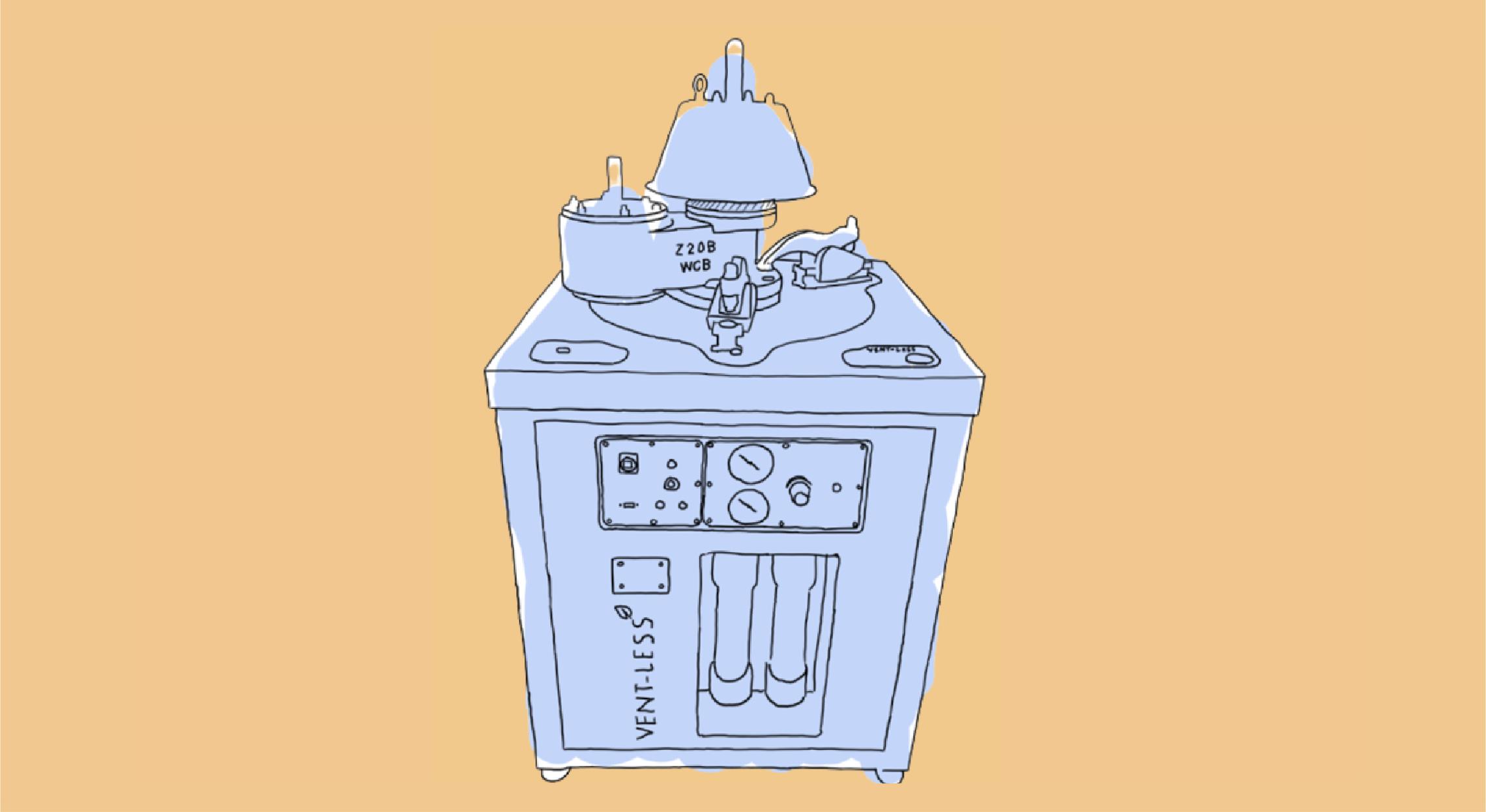
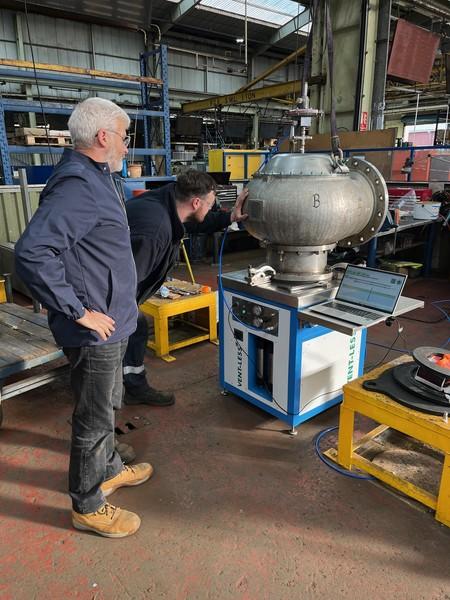
Assentech is recognised for its proven experience, technical knowledge and competence in breather valve inspection, servicing and testing. As the innovator of the award-winning automatic AI Vent-Less test bench, we use world-leading test equipment to verify valve settings, functional performance and leak rate in accordance with recognised industry standards.
Our team has a presence on International Standards Committees and provides technical guidance, support and troubleshooting advice to customers, regulators and senior authorities. This means our maintenance service goes beyond basic servicing. We help customers evidence performance, reduce emissions, demonstrate compliance and make informed decisions about the safe management of each individual breather valve.
This depends on risk, media, service history, valve condition, valve age and current evidence. Options include in situ inspection, API 2000 testing, service, replacement, commissioning checks, Remote FAT, health checks and Written Scheme support.
A review of whether installed pressure and vacuum relief devices suit the actual application, including fill rates, empty rates, media, vent configuration, risk and previous performance.
A typical maintenance plan may include yearly inspections and a full service every three years, but the frequency should always be based on the valve application, stored media, duty cycle, previous test results and site risk assessment.
A yearly inspection can help identify visible issues such as contamination, corrosion, foam-over evidence, damaged components, blocked screens or signs that the valve may not be operating correctly.
A three-yearly full service normally includes removal of the valve, internal inspection, cleaning, component assessment, replacement of any required soft goods, setting verification, functional testing and API 2000 testing before the valve is returned to service.
Where the media is hazardous, corrosive, flammable, toxic, environmentally harmful or where previous leak rates have been high, the inspection and service frequency may need to be increased. The aim is to create a maintenance plan for each individual valve, rather than assuming one frequency is suitable for all valves on site.
An inspection is usually completed in situ and checks visible condition, contamination, corrosion, damage, verifies settings, identifies tampering concerns and identifies whether further action is required.
A service requires the valve to be removed, decontaminated, dismantled, cleaned, repaired or rebuilt, and tested to API 2000 before and after the service and includes the replacement of the soft goods kit. This provides evidential proof of improvement from the API 2000 test results, including leak rate.
No. A full service requires the valve to be removed from the tank, usually by site, then presented to our visiting engineers or shipped to Assentech.
A visual inspection can be completed while the valve remains installed. This can identify corrosion, contamination, damage, tampering, residue, abnormal condition and whether further service or API 2000 testing is required.
The valve must be safely decontaminated, dismantled, cleaned, inspected, rebuilt where required and tested. You can only test on Vent-Less if the valve is removed and placed onto the Vent-Less test bench where it is clamped into position for the test to be carried out.
Assentech can provide details of a company who can support with the safe isolation.
Yes. The MSDS or SDS helps confirm health, flammability, environmental, toxicity, corrosivity, PPE, decontamination and seal compatibility requirements.
Yes. A pre-service API 2000 test can confirm actual pressure setting, vacuum setting, leak rate, functionality and pass or fail status before service or replacement is agreed.
Pre-service API 2000 testing shows how the valve was performing before any intervention, including its pressure setting, vacuum setting, function and leak rate.
Post-service API 2000 testing confirms whether servicing has restored the valve’s settings, functional performance and leak tightness. It also provides a measured leak rate after service.
Together, these results provide evidential proof of performance improvement, emission reduction, best practice and duty of care. They also help identify valves that may have presented a risk to the workforce, tank integrity, site operations, neighbouring communities and the environment.
We will advise whether it should be serviced, repaired, replaced or reviewed further. We cannot guarantee that valves will pass this standard by a visual inspection.
We will look at overall valve quality, historical service observations, performance issues and age of the valve to enable you to decide on your next steps.
Leak rate is the measured amount of vapour passing through the valve when it should be sealed. It is important because it helps identify emissions, product loss, health risk, flammability risk, environmental risk, tank damage, moisture ingress impacting stored media, compliance risk and overall valve performance. The leak rate can be measured on both vacuum and pressure ports.
Leak rate measurement demonstrates best practice and duty of care by showing that the site has taken reasonable steps to understand, assess, manage and reduce the risks associated with leakage from each individual valve.
It can support safe working, environmental improvement, emissions reduction, product loss reduction, operational efficiency, tank protection, maintenance planning, risk-based inspection frequency, regulatory compliance, internal auditing, insurance discussions, litigation claims and dispute defence.
Where hazardous, toxic, flammable, odorous, corrosive or environmentally harmful media is stored, leak rate evidence becomes even more important because it helps identify whether vapours are escaping, whether people or the environment may be exposed and whether further action is required.
In simple terms, leak rate turns valve performance into evidence and provides data for informed decisions. A compliant and acceptable leak rate provides evidence to defend scrutiny.
An API 2000 test provides measurable evidence of the valve’s set pressure, set vacuum, functional performance and leak rate. This helps operators support safe working, emissions control, DSEAR, COMAH, Regulation 61, Environmental Permitting and wider risk assessment duties.
Yes. We can support replacement or swap-in valves to maintain tank protection while existing valves are removed, tested or serviced or even if there are performance issues in between periodic maintenance.
We only provide valves that are compliant to API 2000 with acceptable leak rate and excellent performance that aligns to the application.
A compliant replacement valve is installed while the existing valve is removed for inspection, service, testing or replacement review. This is often a method that is followed when valves are sent to the Assentech workshop for servicing.
A pre-commissioning check can verify nameplate details, pressure setting, vacuum setting, functionality, API 2000 alignment and leak rate before the tank enters service.
Pre-commissioning API 2000 testing provides individual evidence that each valve has been checked before operation. Settings are verified alongside performance and functionality, ensuring safe and accurate alignment to the application.
This provides evidential proof that the breather valve is operating as intended and is suitable for service before commissioning takes place.
Yes. A Remote FAT can be carried out virtually via Teams before dispatch.
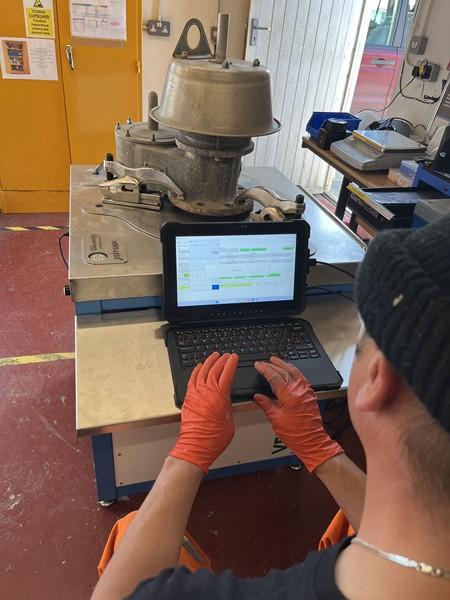
A live demonstration of a Vent-Less test showcasing your ordered valves or a single unit. The audience will witness the live test with the Vent-Less software on both pressure and vacuum testing where applicable, leak rate measurement, functionality, pass or fail result and final certification evidence.
Yes. FAT testing can be witnessed in person at either the Assentech workshop or at the customer’s premises where multiple valves require testing.
Yes. We can help define inspection and service frequency based on application, media risk, valve condition, valve age, valve quality, certification, service history, test method and evidence.
Yes. We regularly receive valves from Europe and conduct full maintenance including API 2000 testing. We work with customers to make international shipping cost effective, quick and trouble free.
Yes. We can inspect, service and assess valves that use water, glycol or other liquid sealing methods and if necessary will use test bench accessories to test side-mounted valves.
Have questions or need assistance? Contact us today!